
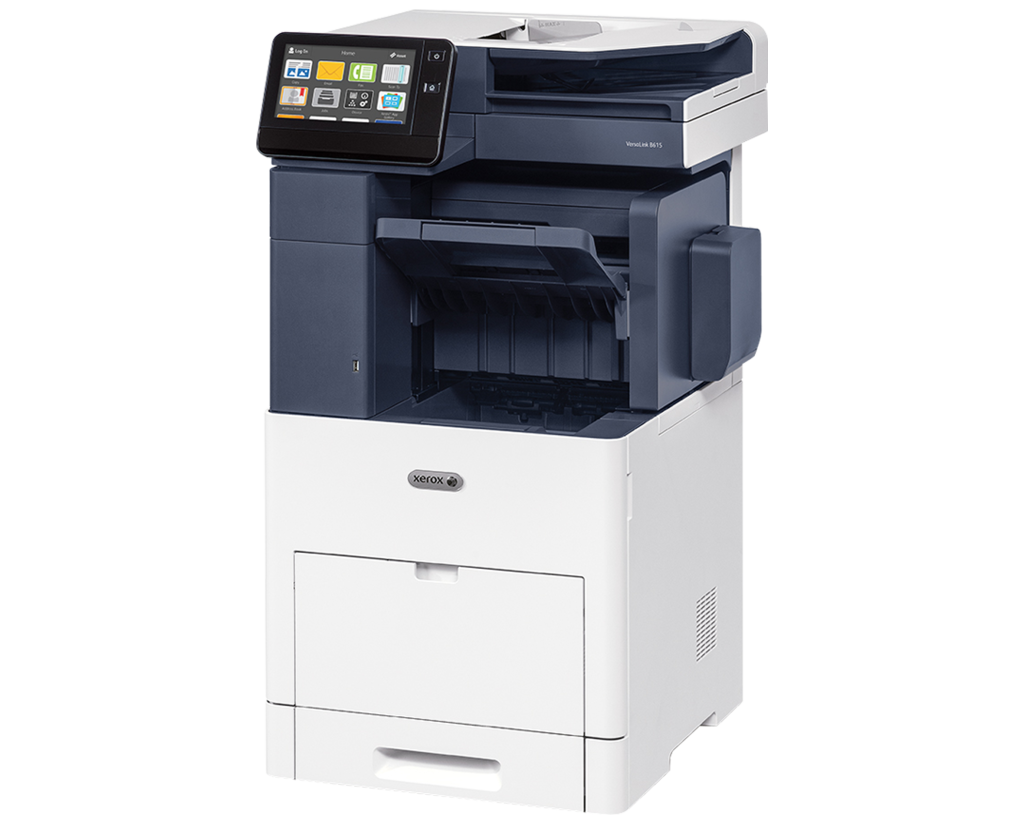
Commercial Xerox printer financial planning in Washington, DC helps finance leaders treat printing as a managed asset instead of a routine office bill. It connects equipment choices with cash flow, depreciation, operating expense, utilization, and total cost of ownership. Commercial Xerox printer financial planning also exposes recurring costs that can quietly push office equipment budgets off track.
CapEx vs. OpEx: Choosing the Right Financial Model
A purchased printer creates an upfront capital requirement and an asset tracked through its useful life. A lease or managed agreement may create more predictable periodic expenses, making capital expenditure vs operating expense copier lease analysis important. The decision should consider cash flow, accounting treatment, tax rules, equipment life, and replacement plans.
For CapEx, budgets should cover purchase, installation, depreciation, maintenance, supplies, and replacement. For OpEx, capital expenditure vs operating expense copier lease planning should review monthly payments, service coverage, usage charges, escalators, renewals, and total contract cost. Neither model should be judged by the monthly payment alone.
A useful comparison starts with three questions: How much capital is committed upfront? What costs remain variable after acquisition? What will the equipment cost over three to five years? This capital expenditure vs operating expense copier lease review gives finance teams a clearer view of long-term risk.
Financial KPIs That Keep Print Assets Under Control
Cost per page is a core KPI because it connects printing activity with spending. Teams can track monochrome and color output separately, then include toner, service, and contract costs. Commercial Xerox printer financial planning becomes more accurate when fixed and volume-driven costs are visible.
Asset utilization is equally important because both overuse and underuse create waste. A heavily used machine may face higher wear and downtime, while an expensive device with low output may represent idle capital. Procurement teams should compare actual pages and workloads with the original volume forecast.
TCO variance adds another financial checkpoint by comparing actual spending with the approved budget. Monthly or quarterly reviews can track equipment payments, supplies, maintenance, repairs, energy, and downtime. This makes how to manage office equipment budgets for commercial Xerox printers an ongoing asset-management process.
How to manage office equipment budgets for commercial Xerox printers
How to manage office equipment budgets for commercial Xerox printers begins with a complete cost baseline before procurement. The baseline should include acquisition, installation, toner, paper, maintenance, repairs, software, security, and an unexpected-cost reserve. Fixed expenses should be separated from usage-driven expenses so forecasts can change quickly.
| Budget category | What to monitor |
| Acquisition | Purchase price or lease obligation |
| Supplies | Toner, paper, finishing supplies |
| Service | Parts, labor, maintenance, SLA coverage |
| Usage | Pages, color mix, cost per page |
| Risk | Repairs, downtime, replacement reserve |
Finance teams should compare actual spending against these categories monthly or quarterly. They can then identify budget creep before it becomes a year-end problem.
Fleet Consolidation and Strategic Cost Control
Fleet consolidation can reduce unnecessary device duplication by matching equipment capacity to actual department demand. Centralized multifunction printers may reduce service points, simplify supplies, and strengthen security controls. However, consolidation should follow measured workloads rather than assuming fewer devices always cost less.
Managed Print Services can centralize monitoring, service, replenishment, and vendor management. A unified agreement can support capital expenditure vs operating expense copier lease analysis by making recurring service costs easier to compare with ownership costs. Service-level agreements should define response times, covered parts, labor, toner responsibilities, and exclusions.
Forecasting TCO, Downtime, and Replacement Costs
A practical TCO model combines acquisition costs with recurring and risk-related expenses. One useful formula is TCO = acquisition or financing + supplies + maintenance + repairs + energy + downtime + other ownership costs. Commercial Xerox printer financial planning should use actual usage data whenever possible.
Replacement planning should begin before equipment becomes a financial problem. Rising repair frequency, obsolete security features, declining productivity, and changing print volume can signal a replacement review. A rolling reserve also makes capital expenditure vs operating expense copier lease decisions more deliberate.
Financial Planning and Decision-Making for Washington, DC Businesses
A strong budget process connects procurement data with operational results and reviews the numbers regularly. Finance leaders should monitor cost per page, utilization, TCO variance, service performance, and replacement timing together. The model should also be updated when volume, staffing, workflows, or contract terms change.
Washington, DC organizations can compare purchase, lease, and rental structures against workload and available capital. CCTS can help evaluate copier and printer equipment, service requirements, maintenance coverage, and operating costs without treating equipment price as the only metric. That approach gives finance and operations leaders a clearer basis for asset planning.
Commercial Xerox printer financial planning should turn printing from an unmanaged overhead item into a controlled operational asset. Clear Choice Technical Services supports Washington, DC businesses with copier sales, leasing, rentals, maintenance, and repair services. How to manage office equipment budgets for commercial Xerox printers becomes easier when equipment, service, usage, and long-term costs are evaluated together.
Need a more predictable copier budget in Washington, DC? Contact Clear Choice Technical Services at (202) 601-8938 to discuss copier sales, leasing, rental, repair, and maintenance options. The team can help assess equipment needs, compare financial models, and build a print strategy focused on cost control.